Financial Independence Retire Early (FIRE) in India: Complete Guide to Retire Early
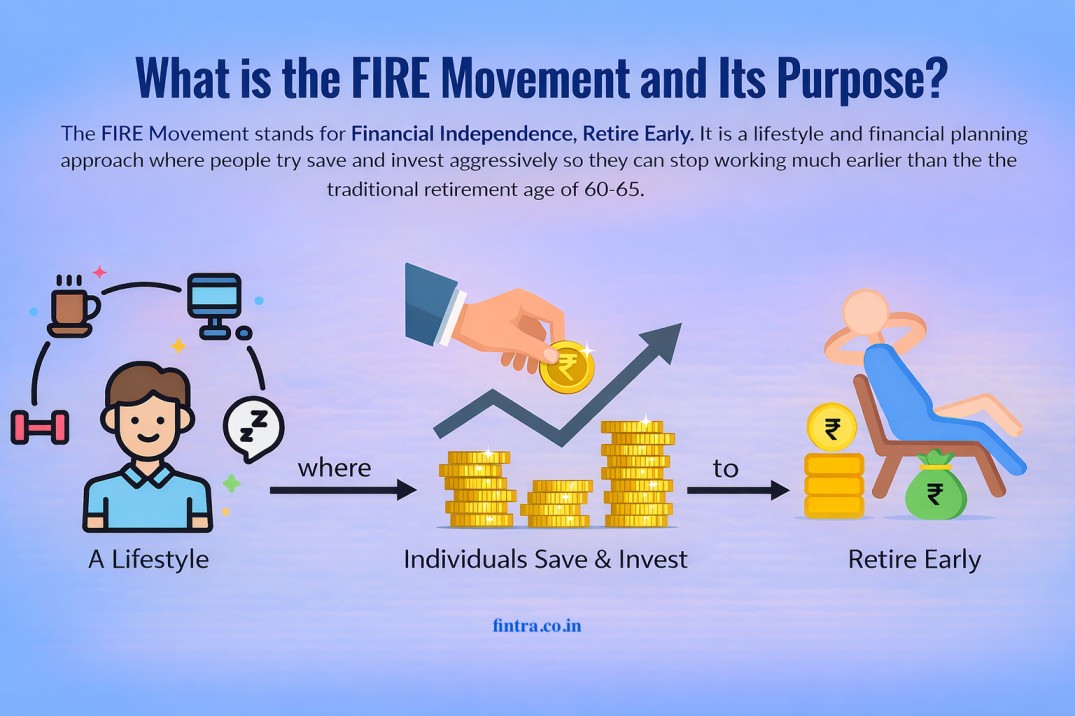
The Financial Independence Retire Early (FIRE) movement is rapidly gaining traction in India as more professionals pursue financial freedom and early retirement. By saving diligently, investing strategically, and cultivating passive income, many Indians are now striving to achieve financial independence much sooner than the traditional retirement age.
What is the FIRE Movement in India?
The Financial Independence Retire Early (FIRE) movement has gained notable momentum globally, offering a route to escape the conventional 9-to-5 routine by saving persistently and investing strategically. Originating in the United States, FIRE’s attractiveness lies in securing financial freedom and retiring early, enabling a life less constrained by financial stress.
FIRE isn't just about retiring early; it’s about gaining control over your time and finances. This freedom empowers people to make life choices—pursuing passions, spending more time with family, or traveling—without financial worry. The movement has inspired many to reassess their financial strategies and adopt a more disciplined, goal-oriented approach to money management.
In India, although the concept of FIRE is relatively new, it is gaining popularity rapidly. Traditional Indian financial wisdom often emphasizes saving and investing, which aligns well with the principles of the FIRE movement. However, achieving FIRE in India requires an understanding of local economic conditions, investment opportunities, and cultural attitudes towards money. By tailoring the FIRE strategy to the Indian context, individuals can effectively work towards financial independence and an early, fulfilling retirement.
The Importance of Financial Independence in India
Financial independence is particularly significant in India, a country characterized by its diverse economic landscape and varying living standards. Achieving financial independence means having enough resources to support your lifestyle without relying on a steady paycheck, which is crucial in a country where job security can be uncertain. It provides a safety net, ensuring that you can maintain your standard of living even during economic downturns or personal financial crises.
In India, where family structures and social expectations significantly influence financial decisions, financial independence also means having the freedom to make life choices that align with personal goals rather than succumb to societal pressures. This autonomy can lead to a more fulfilling and stress-free life, allowing individuals to prioritize their well-being and personal aspirations. Moreover, financial independence can foster a sense of security and self-reliance, reducing dependency on others and enhancing overall quality of life.
Furthermore, the rising cost of living and inflation in India make financial independence an essential goal. With the cost of education, healthcare, and housing continually increasing, securing financial independence ensures that you can meet future expenses without compromising your lifestyle. It also allows for better planning and preparation for unforeseen events, providing peace of mind and financial stability. By embracing the FIRE strategy, Indians can navigate these challenges more effectively and work towards a financially secure future.
Key Principles of the FIRE Strategy
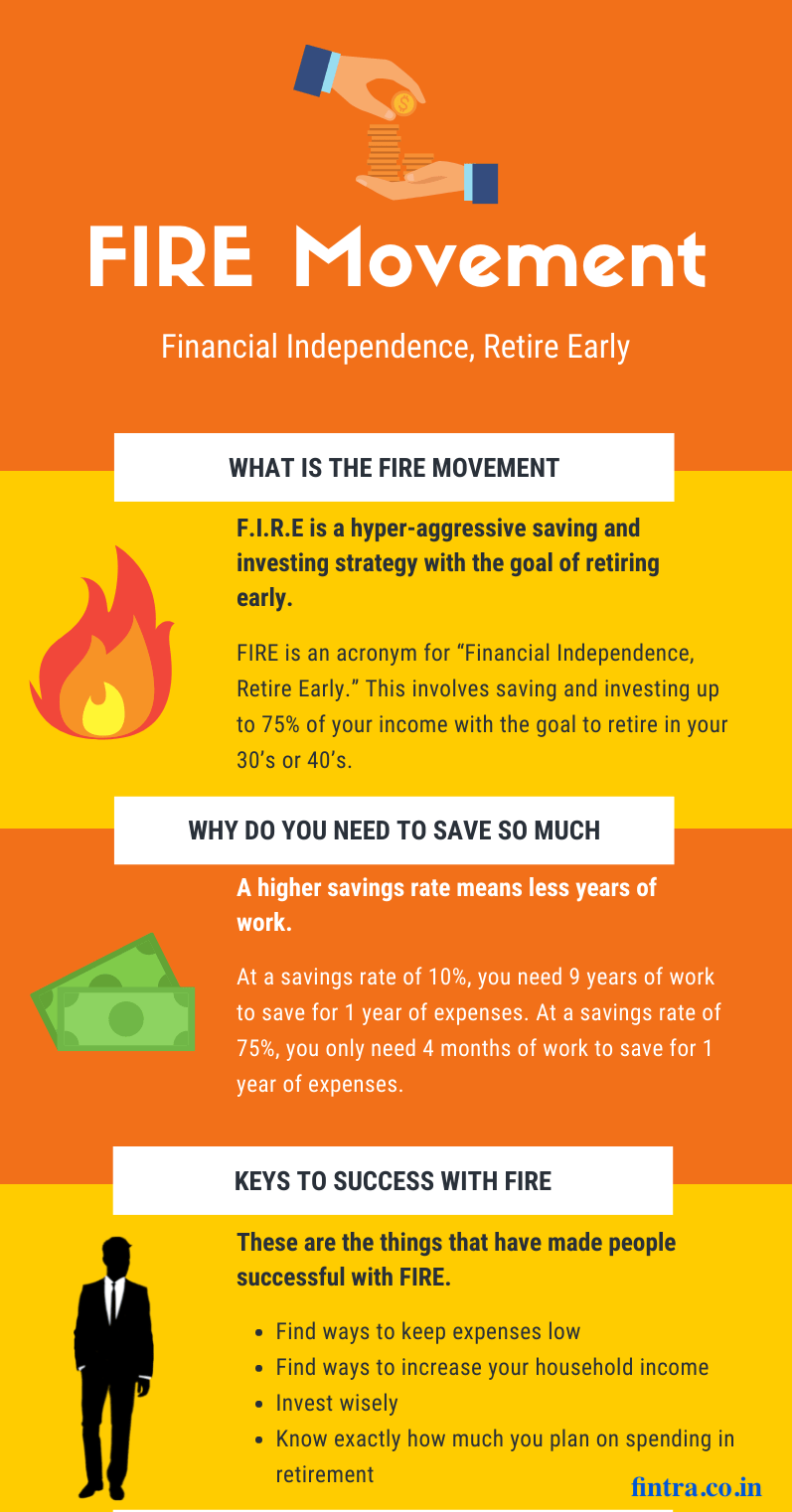
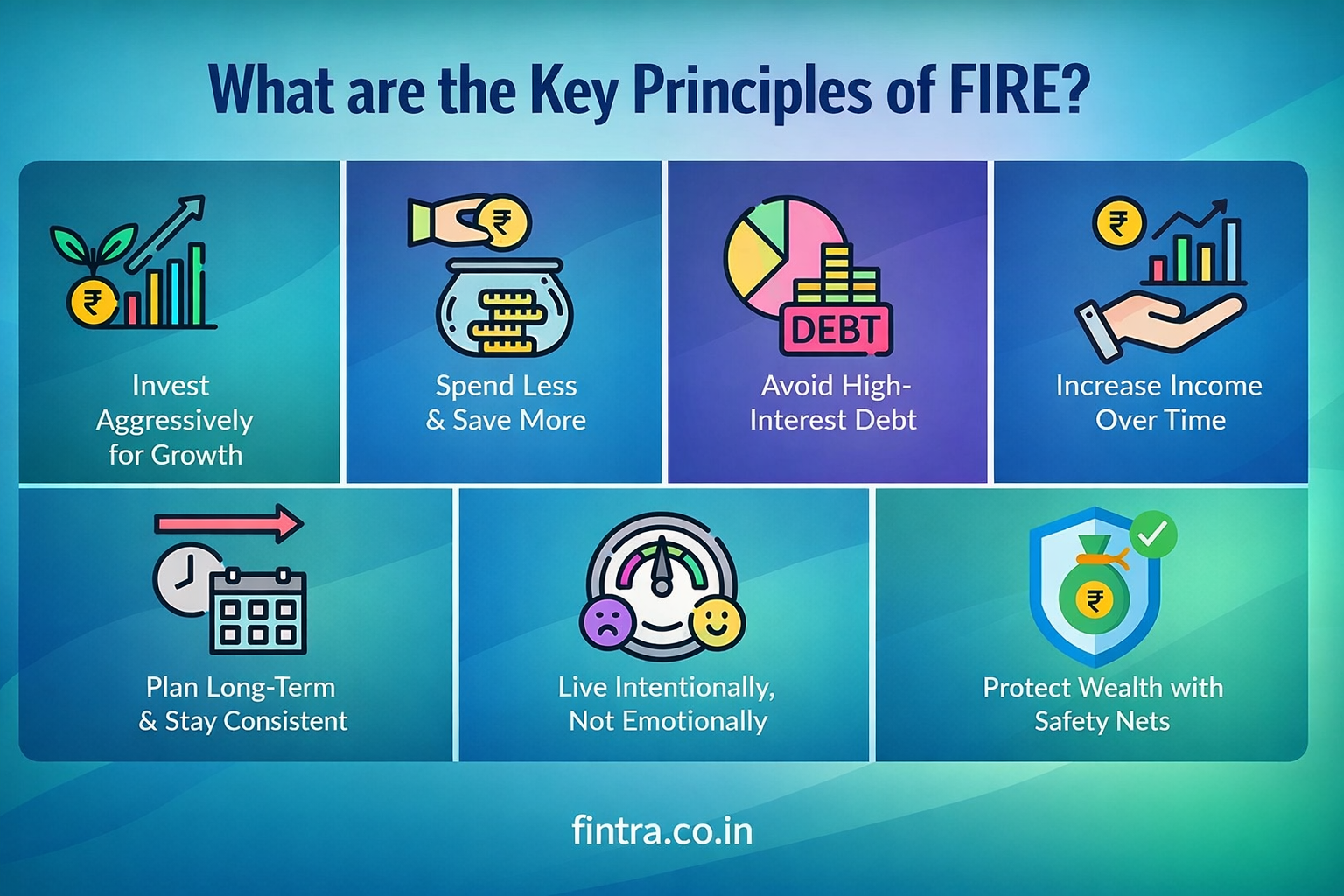
The FIRE strategy is built on several key principles serving as the foundation for achieving financial independence. These principles include aggressive saving, prudent investing, frugality, and continuous financial education. By adhering to these core tenets, individuals can accelerate their journey toward financial freedom and an early retirement.
Aggressive saving is a cornerstone of the FIRE movement. This involves setting aside a substantial portion of your income—often 50% or more—towards savings and investments. The goal is to accumulate a significant nest egg as quickly as possible, which can then be invested to generate passive income. This requires a disciplined approach to spending and a commitment to prioritizing long-term financial goals over short-term gratification.
Prudent investing is another critical component of the FIRE strategy. It's not enough to simply save money; you need to make your money work for you. This involves investing in a diversified portfolio of assets, including stocks, bonds, real estate, and other investment vehicles. The aim is to grow your wealth through compound interest and capital appreciation, thereby accelerating your progress towards financial independence.
Frugality plays a vital role in the FIRE movement. This doesn't mean living a life of deprivation, but rather making conscious choices to spend less and save more. It involves being mindful of your expenses, distinguishing between needs and wants, and finding ways to reduce costs without compromising on the quality of life. By adopting a frugal mindset, you can significantly boost your savings rate and expedite your journey towards FIRE.
Setting Your Financial Goals: Short-term vs. Long-term
Setting clear financial goals is essential for a successful FIRE journey. These goals can be categorized into short-term and long-term objectives, each serving as milestones that guide your financial planning and decision-making process. By defining your goals, you can create a roadmap that keeps you focused and motivated. Short-term financial goals typically cover a period of one to three years and include objectives such as building an emergency fund, paying off high-interest debt, and saving for specific purchases like a car or a vacation. These goals provide immediate targets that can boost your confidence and momentum as you achieve them. They also lay the groundwork for more significant, long-term financial aspirations by establishing good financial habits and a solid savings foundation.
Long-term financial goals, on the other hand, span a period of five to twenty years or more and focus on larger objectives such as buying a home, funding children's education, and, most importantly, achieving financial independence and early retirement. These goals require a comprehensive financial plan that includes saving, investing, and continuously reviewing and adjusting your strategy. Long-term goals provide a vision for your future and help you stay committed to the FIRE journey, even when faced with challenges and setbacks.
Balancing short-term and long-term goals is crucial for maintaining financial stability and progress. While it's important to focus on long-term aspirations, addressing short-term needs and milestones ensures that you remain financially secure and motivated. By setting and tracking both types of goals, one can create a dynamic financial plan that adapts to changing circumstances and keeps one on the path to financial independence.
Budgeting for Success: Tracking Your Expenses
Budgeting is a fundamental aspect of the FIRE strategy, serving as the blueprint for managing your income, expenses, and savings. Effective budgeting involves tracking your expenses meticulously, identifying areas where you can cut costs, and reallocating those savings towards your financial goals. By maintaining a disciplined budget, you can maximize your savings rate and accelerate your journey towards financial independence.
The first step in budgeting is to track your expenses. This involves recording every expenditure, no matter how small, to get a clear picture of where your money is going. Various tools and apps can help you automate this process, making it easier to categorize and analyze your spending patterns. By identifying your spending habits, you can pinpoint areas where you can reduce costs and allocate more funds towards savings and investments. Once you have a clear understanding of your expenses, the next step is to create a budget that aligns with your financial goals. This involves setting spending limits for different categories such as housing, transportation, groceries, entertainment, and discretionary spending. The goal is to ensure that your expenses are well within your income, allowing you to save a significant portion of your earnings. Regularly reviewing and adjusting your budget is crucial to ensure that you stay on track and make necessary changes as your financial situation evolves.
Budgeting also involves setting aside funds for unexpected expenses and emergencies. Building an emergency fund is a vital component of the FIRE strategy, providing a financial cushion that can help you navigate unforeseen circumstances without derailing your progress. By maintaining a well-structured budget and continuously monitoring your expenses, you can stay focused on your financial goals and move closer to achieving financial independence.
Saving Strategies to Accelerate Your FIRE Journey
Saving is a critical component of the FIRE strategy, and adopting effective saving strategies can significantly accelerate your journey towards financial independence. The key is to save aggressively and consistently, making deliberate choices that prioritize long-term financial goals over short-term gratification. By implementing a few strategic saving techniques, you can increase your savings rate and accelerate progress toward FIRE.
One of the most effective saving strategies is to automate your savings. This involves setting up automatic transfers from your checking account to your savings and investment accounts, ensuring that a portion of your income is saved before you have a chance to spend it. Automating your savings helps eliminate the temptation to spend and ensures that you consistently contribute towards your financial goals. It also simplifies the saving process, making it easier to stay disciplined and committed.
Another powerful saving strategy is to embrace frugality. This doesn't mean living a life of deprivation, but rather making conscious choices to spend less and save more. It involves being mindful of your expenses, distinguishing between needs and wants, and finding ways to reduce costs without compromising on the quality of life. By adopting a frugal mindset, you can significantly boost your savings rate and expedite your journey towards FIRE.
Additionally, finding ways to increase your income can also enhance your savings efforts. This could involve taking on a side hustle, freelancing, or seeking opportunities for career advancement and salary increases. By increasing your income, you can allocate more funds towards savings and investments, accelerating your progress towards financial independence. Combining increased income with disciplined saving habits creates a powerful synergy that propels you closer to your FIRE goals.
Investment Options for Building Wealth in India
Investing is a crucial aspect of the FIRE strategy, as it allows you to grow your wealth and generate passive income. India offers a variety of investment options that can help you build a diversified portfolio and achieve your financial goals. By understanding the different investment opportunities available, you can make informed decisions and create a robust investment strategy.
Stock market investments are a popular choice for building wealth in India. By investing in individual stocks or mutual funds, you can benefit from capital appreciation and dividends. The Indian stock market has a history of strong performance, offering significant growth potential for long-term investors. However, it's important to conduct thorough research and diversify your investments to mitigate risks and maximize returns. Real estate is another attractive investment option in India. Investing in property can provide a steady stream of rental income and long-term capital appreciation. With the growing demand for housing and commercial spaces in urban areas, real estate investments can be a lucrative addition to your portfolio. However, real estate investments require careful consideration of location, market trends, and regulatory factors to ensure a good return on investment.
Fixed-income investments such as bonds, fixed deposits, and Public Provident Funds (PPF) offer stable returns and lower risk compared to equities and real estate. These investments provide a predictable income stream and can serve as a safe haven during market volatility. Diversifying your portfolio with fixed-income investments can help balance risk and ensure the steady growth of your wealth over time. By combining different investment options, you can create a diversified portfolio that aligns with your risk tolerance and financial goals.
The Role of Passive Income in Achieving FIRE
Passive income plays a crucial role in the FIRE strategy, as it provides a steady stream of income without requiring active effort. By generating passive income, you can cover your living expenses and reduce your reliance on a regular paycheck, accelerating your journey towards financial independence. There are various ways to create passive income streams, each offering unique benefits and opportunities.
One of the most common sources of passive income is rental income from real estate investments. By purchasing rental properties and leasing them out, you can generate a consistent flow of income, which can help cover your expenses and contribute towards your savings and investments. Real estate investments also offer the potential for long-term capital appreciation, making them a valuable addition to your passive income strategy. Dividend income from stocks and mutual funds is another popular source of passive income. By investing in dividend-paying stocks or mutual funds, you can receive regular dividend payments that provide a steady income stream. Reinvesting these dividends can further enhance your investment returns and accelerate your progress towards financial independence. It's essential to choose high-quality, dividend-paying stocks and funds with a history of stable and growing dividends to ensure a reliable income source.
Other sources of passive income include interest from fixed-income investments, royalties from intellectual property such as books or music, and income from online businesses or digital products. By diversifying your passive income streams, you can create a robust and resilient income portfolio that supports your financial goals. Passive income not only provides financial stability but also offers the freedom to pursue your passions and interests without the constraints of a traditional job.
Common Challenges and How to Overcome Them
Embarking on the journey towards Financial Independence and Early Retirement (FIRE) can be challenging, and individuals may encounter various obstacles along the way. However, by understanding these challenges and developing strategies to overcome them, you can stay focused and committed to your financial goals. Here are some common challenges and tips for overcoming them.
One of the most significant challenges is maintaining the discipline to save aggressively and consistently. It's easy to be tempted by lifestyle inflation and discretionary spending, especially as your income increases. To overcome this challenge, it's essential to stay focused on your long-term goals and regularly remind yourself of the benefits of financial independence. Creating a budget, automating your savings, and tracking your progress can help you stay disciplined and committed to your savings goals.
Another common challenge is dealing with market volatility and investment risks. The value of your investments can fluctuate, and market downturns can be discouraging. To mitigate this risk, it's important to diversify your investment portfolio and maintain a long-term perspective. Avoid making impulsive decisions based on short-term market movements and stay committed to your investment strategy. Regularly reviewing and rebalancing your portfolio can also help manage risks and ensure that your investments align with your financial goals.
Balancing short-term needs and long-term goals can also be challenging. Life events such as medical emergencies, job loss, or major expenses can disrupt your financial plans. Building an emergency fund and having insurance coverage can provide a safety net and help you navigate these challenges without derailing your progress. It's also important to remain flexible and adaptable, adjusting your financial strategy as needed to accommodate changing circumstances and stay on track towards your FIRE goals.
Real-Life Success Stories: Indians Who Achieved FIRE
Hearing about real-life success stories can be incredibly inspiring and motivating for those on the FIRE journey. Several Indians have successfully achieved financial independence and early retirement by adopting the FIRE strategy. Their stories offer valuable insights and lessons for others.
One such success story is that of Rakesh, a software engineer from Bangalore, who achieved financial independence at the age of 40. Rakesh started his journey by meticulously tracking his expenses and saving a significant portion of his income. He invested in a diversified portfolio of stocks, mutual funds, and real estate, allowing his wealth to grow over time. By maintaining a frugal lifestyle and staying committed to his financial goals, Rakesh was able to retire early and now spends his time pursuing his passions and traveling the world.
Another inspiring story is that of Priya, a marketing professional from Mumbai, who achieved FIRE through a combination of aggressive saving, smart investing, and side hustles. Priya started a blog and an online business in addition to her full-time job, generating multiple streams of income. She invested her earnings in stocks, bonds, and real estate, building a robust investment portfolio. Priya's disciplined approach to saving and investing allowed her to achieve financial independence in her mid-30s, and she now enjoys the freedom to work on projects she loves and spend more time with her family.
These success stories highlight the importance of discipline, strategic planning, and perseverance in achieving financial independence. They demonstrate that with the right mindset and approach, it is possible to break free from the traditional work-life model and create a life of financial freedom and fulfillment. By gaining knowledge and insights from these experiences and applying the principles of the FIRE strategy, you can work towards achieving financial goals and unlocking a future of independence and early retirement.
Achieving financial independence and early retirement is a transformative journey that requires dedication, discipline, and strategic planning. By understanding the principles of the FIRE strategy, setting clear financial goals, budgeting effectively, saving aggressively, and investing wisely, you can accelerate your progress towards financial freedom. Embracing the concept of passive income and overcoming common challenges along the way will further enhance your journey. Real-life success stories of Indians who have achieved FIRE serve as a testament to the possibilities and benefits of this financial strategy. Start your FIRE journey today and unlock the path to a life of financial independence and fulfillment.
Conclusion
Financial Independence Retire Early (FIRE) is not just about retiring early—it is about gaining control over your financial life. With disciplined saving, smart investing, and long-term planning, achieving financial independence in India is possible. Whether you aim for Lean FIRE or Fat FIRE, the key is building a strong investment portfolio that generates sustainable income. In conclusion, as read above, starting early, staying consistent, and making informed financial decisions can bring you closer to financial freedom.
Frequently Asked Questions (FAQs) About FIRE in India
What is FIRE in personal finance?
FIRE (Financial Independence Retire Early) is a personal finance strategy that focuses on saving and investing aggressively, enabling you to achieve financial independence and retire much earlier than the traditional retirement age. The primary goal of the FIRE movement is to accumulate enough wealth so your investments generate passive income that covers your living expenses.
In the FIRE strategy, individuals save 50–70% of their income and invest it in assets like mutual funds, stocks, index funds, or real estate. Once their investment portfolio grows large enough, they can withdraw a small percentage annually and live off their investments without depending on a regular salary.
In India, the FIRE movement is gaining popularity among professionals who desire more financial freedom and the ability to pursue passions, travel, or spend more time with family without financial stress.
How much money is required to retire early in India?
The amount of money required to retire early in India depends on your lifestyle, monthly expenses, and inflation. A commonly used guideline in FIRE planning is the 25× rule, which suggests that you should accumulate 25 times your annual expenses to achieve financial independence.
For example:
- Monthly expenses: Rs. 50,000
- Annual expenses: Rs. 6,00,000
- Required FIRE corpus: Rs. 6,00,000 × 25 = Rs. 1.5 Crore
Similarly:
- Monthly expenses: Rs. 1,00,000
- Annual expenses: Rs. 12,00,000
- Required corpus: Rs. 3 Crore
This investment corpus should ideally be invested in growth assets such as equity mutual funds, index funds, or dividend stocks to generate long-term returns and sustainable passive income.
Is FIRE possible for salaried employees in India?
Yes, FIRE is possible for salaried employees in India, but it requires disciplined financial planning, high savings rates, and long-term investing. Many professionals working in technology, finance, and corporate sectors are already pursuing financial independence through the FIRE strategy.
To achieve FIRE as a salaried employee in India, you should focus on:
- Increasing your savings rate (ideally 40–60% of income)
- Investing regularly through SIP in mutual funds or index funds
- Building multiple sources of income, such as freelancing or side businesses
- Avoiding high-interest debt and lifestyle inflation
Starting early is one of the most important factors because long-term investing allows compounding to grow wealth significantly over time.
What is the 4% rule in FIRE?
The 4% rule is a widely used guideline in the FIRE movement that helps determine how much money you can safely withdraw from your investment portfolio each year during retirement.
According to the 4% rule:
You can withdraw 4% of your total investment portfolio annually without running out of money for at least 30 years.
For example:
- Investment portfolio: Rs. 2 Crore
- Annual withdrawal (4%): Rs. 8 Lakh
- Monthly income: about Rs. 66,000
The idea is that your investments will continue growing through market returns, allowing you to withdraw 4% every year while preserving your capital. In India, many FIRE planners adjust the withdrawal rate slightly lower (around 3–4%) to account for inflation, healthcare costs, and market volatility.


